
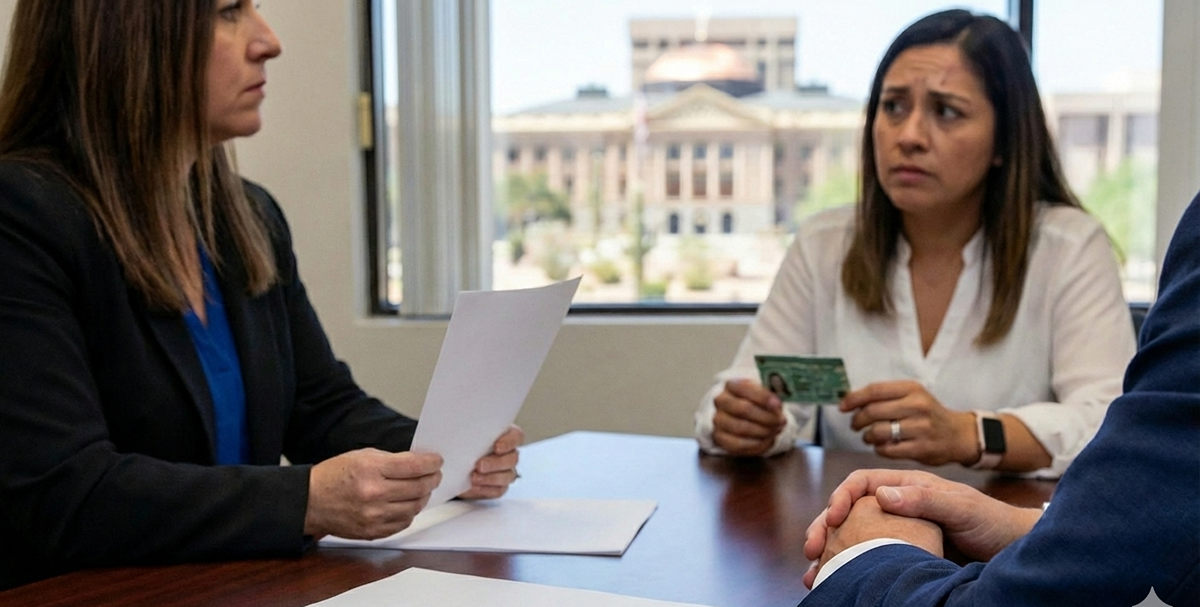
Understanding How Divorce and Immigration Intersect in Arizona
When a marriage ends, many people find themselves not only facing personal challenges but also dealing with tangled legal issues. In Arizona, divorce proceedings and immigration matters — such as retaining a green card obtained through marriage — can overlap in confusing ways. It is important to understand that while state courts handle divorce matters, federal agencies like USCIS manage immigration benefits. This separation means that the roles and responsibilities of each system are distinct, even though the timing and supporting documentation can affect both processes.
In this opinion editorial, we take a closer look at the twists and turns of how divorce can affect immigration status in Arizona. Whether you are a conditional or permanent green card holder, or if you plan to naturalize once your marriage ends, the steps you take in family court might ripple into your federal immigration processes. Here, we dive in to provide a neutral, easy-to-understand overview of these issues while offering practical advice based on years of legal experience.
Key Considerations in Arizona Divorce and Immigration
For immigrants who obtained residency through marriage, the divorce process can feel overwhelming — not only on a personal level but also when it comes to ensuring that your immigration status remains secure. There are several key points to consider:
- Separate Legal Arenas: Arizona family courts and federal immigration offices operate independently. A state court may decide on property division, child custody, and spousal support, whereas USCIS reviews your residency eligibility, including whether or not you qualify for citizenship.
- Documentation and Timing: The paperwork you file in divorce proceedings, including timelines and affidavits, may be scrutinized by immigration officials to prove that your marriage was genuine.
- Impact on Conditional Green Cards: If you received a conditional green card because your marriage was less than two years old, divorce raises additional challenges that could delay the process of removing those conditions.
These considerations underscore why it is critical to file with precision, use correct language, and keep careful records throughout the process. Small mistakes in documentation may lead to bigger issues when addressing immigration requirements later on.
Challenges for Conditional Green Card Holders and Form I-751 Concerns
One of the trickiest parts for immigrant spouses is dealing with the conditional green card and the associated Form I-751. If your permanent residency is based on a marriage that lasted less than two years at the time of issuance, then your green card is granted conditionally for two years. Ordinarily, you and your spouse would jointly file Form I-751 to remove these conditions within a prescribed time frame. However, if the marriage ends before this process is complete, the consequences can be nerve-racking.
Understanding the Conditional Status and Filing Challenges
When you are a conditional resident, USCIS expects evidence that the marriage was entered in good faith rather than as a means of securing immigration benefits. In a situation where a divorce is imminent, you might be required to request a waiver of the joint filing requirement. This is one of those moments where the timeline of your divorce decree, combined with the court filings, becomes critical. USCIS will typically examine:
- The timeline of your relationship
- Joint finances and living arrangements
- Supporting documentation such as leases, bank statements, and insurance policies
Many conditional green card holders find themselves needing to demonstrate that their marriage was genuine, even if it did not last. One must tread carefully to provide the federal agency with the right evidence while navigating what can feel like an intimidating legal maze in family court.
Common Pitfalls and How to Avoid Them
The following table outlines some common issues and offers tips for avoiding them:
| Issue | Potential Pitfall | Suggested Approach |
|---|---|---|
| Documentation gaps | Insufficient evidence proving a genuine marriage | Gather detailed records now, including joint accounts, leases, photos, etc. |
| Timing discrepancies | Filing too early or too late could lead to delays or case dismissal | Synchronize your divorce timeline with federal deadlines under the guidance of legal experts |
| Inaccurate legal language | Pleading that misrepresents relationship facts | Ensure your divorce filings reflect accurate and consistent facts to support your immigration case |
What Permanent Green Card Holders Need to Know After Divorce
If you have a 10-year green card that was issued without conditions, the divorce itself does not automatically jeopardize your status. However, there remain several important considerations that may affect future immigration benefits such as naturalization.
Understanding the Separation of Status and Future Filings
A permanent green card is more stable in the sense that it was awarded based on eligibility that does not require the ongoing validation of marital status. Nonetheless, when applying for U.S. citizenship, immigration officials may review the entire history of your relationship, especially if the basis of your permanent residency was a marriage to a U.S. citizen. In such cases, careful documentation throughout your marriage and divorce continues to play a key role. Even if your current status seems secure, USCIS retains the right to question the legitimacy of your marriage if discrepancies arise during the naturalization process.
Protective Measures for Future Immigration Filings
To safeguard your legal status, consider the following actions:
- Maintain Clear Records: Continue to document your living arrangements and finances after divorce. This can be critical for future immigration filings, particularly when applying for citizenship.
- Consult Both Family Law and Immigration Attorneys: Coordinate with legal professionals who understand the subtle details of both realms to ensure that your divorce documents do not conflict with immigration paperwork.
- Monitor Deadlines: Keep a precise calendar of federal and state deadlines. Even a minor oversight can introduce delays that compound problems later.
Divorce’s Impact on Naturalization Through Marriage
One of the most nerve-racking beliefs among immigrant spouses is that divorce might automatically end your path to U.S. citizenship via marriage. The reality, however, is slightly more nuanced. If you are married to a U.S. citizen and meet the required criteria, you might be eligible for naturalization after three years as a lawful permanent resident. However, if a divorce occurs before you apply, you may no longer qualify under the three-year provision — instead, you might have to wait until you have met the standard five-year residency requirement.
Understanding the Shift in the Citizenship Timeline
Divorce does not necessarily kill your dreams of becoming a U.S. citizen. Instead, it may simply alter the pathway or delay your progress due to the following reasons:
- Adjustment of Eligibility: A divorce means that you can no longer use the three-year track, which is only available if you remain married to a U.S. citizen for that period.
- Increased Scrutiny: If your initial green card was based on marriage, USCIS may take a closer look at your relationship history during the naturalization process. This review might feel intimidating, but with thorough documentation, you can mitigate concerns.
For many, this situation is on edge. The adjustment in filing strategy means that while your citizenship remains a possibility, you must plan for a scenario where the process takes longer and requires additional evidence.
Strategies for a Smooth Citizenship Application Post-Divorce
Here are practical steps to help maintain momentum in your naturalization journey after a divorce:
- Keep well-organized records of your marriage, including joint bank accounts, leases, tax returns, and personal photographs.
- Consult regularly with an immigration attorney to stay updated on the latest USCIS guidelines that may affect your application.
- When preparing your naturalization application, be prepared to provide supplemental documents that verify the legitimacy of your marriage.
By taking these steps, you are better prepared to handle the nerve-racking changes in the naturalization process that may follow a divorce.
Practical Steps for Managing Divorce and Immigration Together
When you find yourself in the midst of a divorce, especially if there are intertwined family law and immigration issues, it is important to approach the process strategically. The goal is to collect the necessary evidence that proves your marriage was genuine, while simultaneously ensuring that the state proceedings do not clash with federal requirements.
Gathering and Organizing Your Evidence
One of the most effective ways to protect your immigration status during a divorce is to carefully gather and organize your documents. Here are some practical tips to get into the nitty-gritty of building a robust file:
- Financial Documents: Collect statements from joint bank accounts, mortgage or lease agreements, and insurance policies that show shared responsibilities.
- Personal Records: Save photographs, personal correspondence, and affidavits from friends and family that testify to the authenticity of your relationship.
- Official Documents: Retain copies of your divorce filings, financial declarations, and any court orders from your state proceedings.
These items are not just helpful for your divorce case; they may also serve as critical evidence when USCIS reviews your immigration filings.
Coordinating With Experts in Family Law and Immigration
Trying to figure a path through the full scope of divorce and immigration law on your own can be overwhelming. Many individuals benefit from assembling a coordinated team of professionals. Here’s how you can do that:
- Family Law Attorney: Retain a lawyer who specializes in Arizona divorce law. They will help steer through the state’s filing requirements and ensure that the language in your court documents is accurate and consistent.
- Immigration Attorney: In parallel, secure an experienced immigration attorney who understands the specific challenges that arise when a divorce intersects with green card issues or naturalization processes.
A well-coordinated approach ensures that the work done in family court doesn’t inadvertently complicate your federal immigration case. Regular communication between both attorneys is super important to prevent any scheduling conflicts or discrepancies in the evidence presented.
The Role of Accurate Timelines and Consistent Records
One of the subtle details that often causes trouble is the coordination of timelines. Whether it is the filing deadline for Form I-751 or the statutory requirements for divorce residency in Arizona, staying on top of the dates is critical. Consider using a shared timeline or digital calendar that highlights the following events:
- Filing dates for divorce petitions in Arizona
- Deadlines for joint filing or waiver submissions with USCIS
- Important meetings with both your divorce lawyer and immigration specialist
This approach can minimize the risk of missing key dates or submitting documents that do not align with your actual circumstances. Maintaining a clear and accurate timeline makes it easier to demonstrate to USCIS that you have been diligent throughout the process.
Managing the Emotional Toll Alongside Legal Challenges
A divorce is bound to bring about a host of emotional challenges. While the legal tangles are often what people focus on when discussing immigration and divorce, the personal impact should never be underestimated. It is important to manage your stress and ensure that the legal process does not add another layer of burden to your daily life.
Strategies for Coping With Tense Family Court Proceedings
Here are some suggestions to help you manage during what can be an emotionally charged period:
- Mental Health Support: Consider individual or group therapy sessions to help you process the emotional weight of divorce.
- Peer Support: Connect with friends, family, or support groups who have experienced similar issues. Sharing your experience can provide comfort and new strategies for coping.
- Legal Counseling: Remember that working with legal professionals who are experienced and compassionate can ease the nerve-wracking aspects of the proceedings. Effective counsel means you are not alone when facing both court deadlines and immigration hurdles.
While the legal bits of divorce and immigration are each tied up with paperwork and deadlines, taking care of your emotional well-being is a super important component to overall success. When you feel supported both legally and personally, you are in a much stronger position to work through the legal twists and turns the system throws your way.
Coordinating Your Divorce Strategy With Immigration Goals
For many immigrants, the idea of being divorced while trying to secure a green card or citizenship feels like you are being pulled in opposite directions. Understanding how state and federal matters interact can help you figure a path that minimizes risk and protects your future.
Aligning Court Filings With Immigration Requirements
Here are some best practices to help you align your divorce proceedings with your immigration strategy:
- Clear and Consistent Language: Your divorce filings should not include hyperbolic or inaccurate descriptions of your marriage. Instead, aim for clear, fact-based statements that accurately represent your life together and the reasons for the divorce.
- Documentation Synchronization: Work with your attorneys to ensure that the documents filed in state court are in sync with those required by USCIS. This includes providing consistent dates, financial records, and summaries of your shared responsibilities.
- Strategic Timing: Sometimes, waiting until a divorce is finalized before submitting certain immigration forms can be advantageous. Depending on your situation, your immigration attorney may advise on filing a waiver before, during, or after the divorce proceedings.
By coordinating your filings in this way, you help reduce the risk of conflicting documentation that could trigger further scrutiny from immigration officials. This step-by-step approach can save time and reduce the risk of delays in your permanent residency or citizenship process.
A Practical Checklist for Coordinating Legal Strategies
Below is a simple checklist to consider while you work through both your divorce and immigration issues:
- ■ Verify your eligibility for initiating divorce in Arizona based on residency requirements.
- ■ Assemble all joint financial and personal records that demonstrate the authenticity of your marriage.
- ■ Review your current immigration status and the specific requirements needed for either removing conditions or applying for citizenship.
- ■ Establish clear lines of communication between your family law attorney and immigration lawyer.
- ■ Regularly update your timeline and maintain copies of all correspondence, court orders, and filings.
Real-World Examples and What We Can Learn From Them
Theoretical advice is valuable, but real-life cases often highlight the small distinctions that can make a big difference. Consider the following scenarios:
A Case in Phoenix and Mesa: Timing Is Everything
Imagine a spouse, who is a conditional green card holder, learns that their partner intends to file for divorce. With the two-year mark fast approaching, the conditional resident faces the challenge of filing a waiver for the joint I-751 petition. In this scenario, the timing of the divorce decree becomes a key factor in the immigration process. With precise documentation detailing the timeline of the marriage and separation, the affected spouse is able to submit a strong case to USCIS that the marriage was genuine. This example shows how the nitty-gritty of filing timelines can either complicate or facilitate a smoother transition.
A Chandler–Gilbert Situation: When Non-Cooperation Adds Tension
Consider another couple where the non-U.S. citizen spouse fears that their U.S. citizen partner will not cooperate during the divorce proceedings. Here, even before divorce is finalized, tension mounts because the non-citizen spouse worries that they will lose their conditional green card. In response, the immigration attorney may recommend filing for a waiver of the joint filing requirement. This allows the non-citizen spouse to proceed independently with Form I-751, provided adequate evidence is presented. Cases like this underline the importance of proactive legal planning and clear, coordinated legal counsel.
Protecting Your Future Through Coordinated Legal Action
While the intertwining of divorce and immigration law can seem intimidating, a proactive approach can empower you to steer through the tangled issues confidently. Here are a few final steps that stand out as key in protecting both your family and immigration outcomes:
- Engage a Competent Family Law Representative: Retain a family law attorney who understands the local requirements and has experience in complex divorce cases. Their practical knowledge can make your court filings clear and effective.
- Consult an Experienced Immigration Lawyer: Make sure you have an expert who understands the federal requirements, especially when it comes to conditional green card filings and naturalization.
- Keep Detailed Records: Consistently archive all supporting documents. Detail your marriage timeline with accurate records to support any future immigration reviews.
- Plan Your Timeline Strategically: Consider all deadlines, both in family court and with USCIS, to ensure that your filing schedule is aligned and timely.
Implementing these steps ensures that even if your divorce case is riddled with tension and legal paperwork, you can still achieve a relatively smooth transition in your immigration status. With thorough documentation and coordinated counsel, you stand a better chance of protecting your green card and paving a clearer path to citizenship.
Final Thoughts: Balancing Personal Change With Legal Stability
The breakdown of a marriage is always a personally intense experience. When you add the responsibility of protecting your immigration status into the mix, the process can appear off-putting and full of problematic twists and turns. However, it is crucial to remember that divorce proceedings and immigration benefits are governed by two distinct systems. State courts manage family law issues, while federal agencies oversee immigration status.
By working through the legal pieces with experienced attorneys in both arenas, you can avoid inadvertent mistakes that may have lasting consequences on your ability to secure a permanent residency or citizenship. Planning ahead, maintaining detailed records, and synchronizing your legal strategies are super important steps that allow you to confidently take control of your situation.
In many ways, this is a call for a balanced approach: one that takes into account both your emotional well-being and the practical demands of the law. Even when the system feels intimidating, a measured and proactive strategy can help you steer through the maze of legal requirements. Ultimately, no one should have to face these challenges alone.
It is our hope that this editorial has provided you with a clearer understanding of how divorce in Arizona might impact your immigration status. Whether you are dealing with the fine points of a conditional green card or preparing for the possibility of longer-term naturalization delays, your future does not have to be defined solely by the end of a marriage. Instead, with careful documentation, coordinated legal guidance, and a proactive approach, you can build a stable foundation that protects both your family’s future and your place in the United States.
In conclusion, remember these key takeaways as you move forward:
- State and federal legal systems are distinct, yet their processes can overlap in critical ways.
- The timing of your divorce in relation to immigration deadlines is a critical factor that cannot be overlooked.
- Proactive documentation and coordinated legal counsel are your best defenses against unexpected complications.
- Managing both the emotional and procedural aspects of your case is essential to maintaining overall stability.
Every situation is unique, and while the maze of divorce and immigration law may sometimes feel like a series of confusing bits, a well-thought-out strategy can help you find your way through even the most nerve-racking challenges. Whether you are filing for a waiver on behalf of a conditional green card or preparing for naturalization after divorce, diligent preparation and clear communication with your legal team will always be key.
By taking a practical, balanced approach to these tangled issues, you can ensure that your personal and legal futures remain as secure and promising as possible. In the end, facing divorce while safeguarding your immigration status becomes not just a legal battle, but an opportunity to redefine and rebuild your life with clarity and confidence.
Read more about this topic at https://azcriminalandfamilylaw.com/green-card-status-after-divorce/
Related articles you might like
How Will Divorce or Separation Affect My Immigration Status?
Immigration and Divorce




Social Plugin