
Accountability in Schools: A Critical Analysis of a Tragic Incident
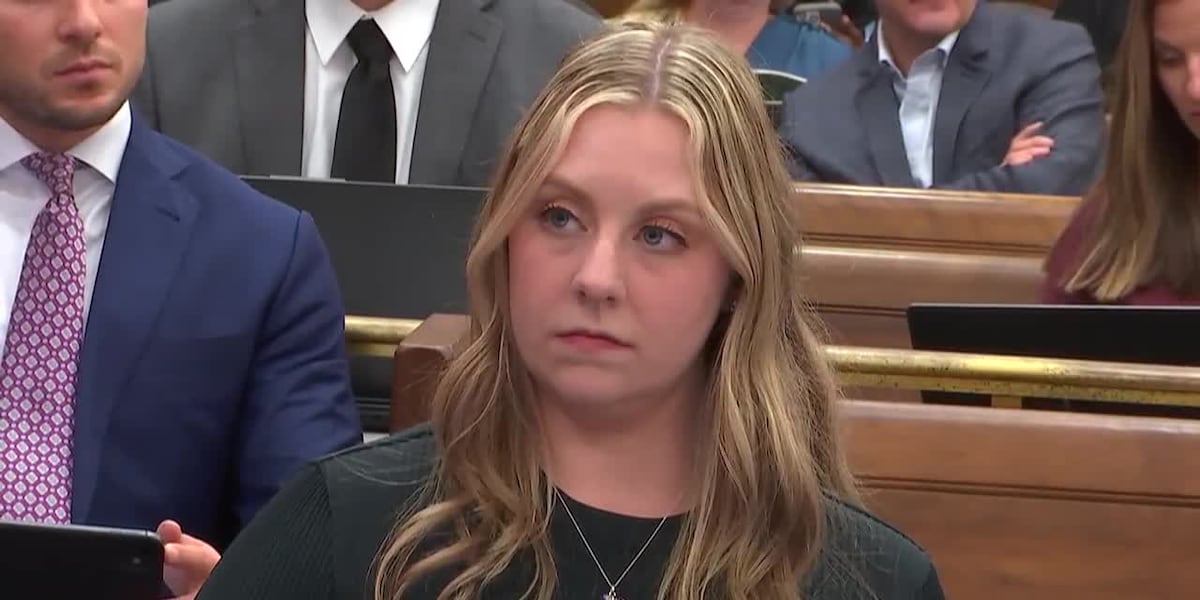
The recent trial in Virginia—a civil lawsuit seeking $40 million in damages after a first-grade teacher was shot by a 6-year-old student—has once again thrust issues of school accountability, security protocols, and legal responsibility into the spotlight. This incident, which left teacher Abby Zwerner with lasting injuries, has raised many difficult questions about where the responsibility lies when a school’s decision-making processes fail to protect its students and staff.
In this opinion editorial, we will dive in to examine the events surrounding the case, discuss the responsibilities of school officials, and analyze how existing legal standards weigh against the unpredictable nature of incidents such as these. We will also discuss the role of hindsight in legal judgments and explore whether our procedures for dealing with potential threats in a school setting are robust enough to handle the unpredictable twists and turns that life sometimes presents.
Understanding the Incident: The Narrative Behind the Case
On a January day in 2023, the unthinkable occurred at Richneck Elementary School in Newport News, Virginia. As young students huddled around their reading tables in a routine classroom setting, teacher Abby Zwerner was shot, suffering injuries to her hand and chest. Zwerner’s injuries were severe enough to require six surgeries and nearly two weeks of hospitalization, with a bullet still lodged in her chest—a symbolic reminder of that fateful day.
The core of the civil lawsuit centers on claims that former assistant principal Ebony Parker failed to act despite multiple warnings that a student had brought a firearm to class. Four separate individuals had alerted Parker to concerns about the student’s possession of a gun. Instead of engaging in prompt actions—such as removing the student from the classroom, conducting a search, or contacting law enforcement—Parker allegedly chose an approach that resulted in a failed response. Zwerner’s attorney, Diane Toscano, has provided statements asserting that Parker’s actions that day were marked by a series of bad decisions and poor choices.
This case is particularly challenging because it brings into focus the delicate balance between administrative authority in a public school and the rapid judgment required in moments of crisis. It also forces us to think deeply about how we address the issue of gun access by children—a concern that resonates in many communities across the country.
School Administration and the Duty of Care
At the heart of the legal debate is the duty of care that school officials owe to both their students and staff. Schools function as safe havens where young minds can grow and learn. Yet, as evidenced by this case, the roles of administrators and staff can sometimes become mired in tangled issues when critical warnings are ignored.
Shortcomings in Institutional Responsibility
School officials are entrusted with the responsibility to protect everyone on campus. However, several key shortcomings have come to light in discussions surrounding this incident:
- Delayed Response: Repeated alerts regarding a potentially dangerous weapon went unheeded, emphasizing a failure in the chain of command when it mattered most.
- Lack of Proactive Measures: Despite having the authority to search students or remove them from potential harm, the decision-making process was compromised by inadequate assessment of the situation.
- Collaboration Deficits: The case underscores the need for a more collaborative approach among all stakeholders—teachers, administrators, and law enforcement—to ensure the safety of the school environment.
These points demonstrate the confusing bits in administrative procedures that arise during emergencies. The challenge lies in how school systems find their way through situations where every second counts yet the proper protocols may not be fully understood or quickly executed.
Lessons for Educational Institutions
From an administrative standpoint, learning from such an incident is critical. Schools must reevaluate their internal protocols and communication channels to guarantee that they can steer through emergencies without falling prey to oversight. A comprehensive review should include:
- Training sessions for staff on rapid-response protocols.
- Clear guidelines and checklists to follow under emergency conditions.
- Enhanced communication strategies between school administrators, security personnel, and local law enforcement.
- Regular safety drills that include scenarios involving weapons on campus.
These measures, although they might seem like small distinctions from traditional practices, are essential to ensure that similar tragedies never occur again.
The Legal Landscape: Weighing Foreseeability and Decision-Making
The legal arguments surrounding this civil lawsuit are riddled with tension, not just because of the tragic outcome, but also due to the complex nature of assigning blame in an environment where decisions are made in split seconds. This case forces us to confront some challenging questions about foreseeability and the role of hindsight in judicial decisions.
Hindsight Bias: The Problem with Retrospective Judgments
Defense attorney Daniel Hogan warned jurors about what he called “Monday morning quarterbacking.” This term highlights a significant legal concern: judging decisions made in the heat of the moment based on information that was not available at the time. Hogan argued that evaluating Parker’s choices after the fact does not account for the limited and often contradictory information available to school officials at the moment when decisions had to be made.
Consider the following table summarizing key points regarding hindsight bias in legal cases:
| Aspect | Description |
|---|---|
| Real-Time Decision-Making | Actions are based solely on available information during the crisis. |
| Post-Incident Analysis | Decisions are analyzed with the benefit of outcomes and subsequent information. |
| Implications | Judgments must be framed within the context of what was known at the time. |
This perspective is essential to understanding the legal arguments. Instead of dismissing the decisions outright as simply “bad,” the intricacies—or rather the fine points—of real-time judgment need to be understood and defended wherever possible.
Accountability versus Uncertainty in Public Institutions
The question of accountability in this case is not merely a matter of whether Parker did enough; it is also about understanding the tangled issues that arise in any public institution when faced with a dire, unexpected event. Public schools operate under policies that may not adequately account for every potential threat. In this instance, the decision-making matrix proved to be both nerve-racking and, ultimately, insufficient.
When evaluating cases like this, attorneys and juries must figure a path through the legal standards set for public institutions—standards that often require a demonstration of what is reasonable given the circumstances. The case raises pressing concerns about how layered responsibilities can dilute accountability when every decision is made in a vacuum of uncertain facts.
Gun Access and Child Safety: A Broader Social Issue
Beyond the specific legal controversies, this case shines a light on the larger national debate surrounding gun access, especially for minors. It is an alarming reminder that the availability of firearms to children—even inadvertently—can have catastrophic consequences.
The Challenge of Preventing Gun Access to Minors
Discussing gun access in this context involves navigating not only legal parameters but also societal attitudes and personal responsibility. Some of the critical points include:
- Risk Factors: Easy accessibility to firearms in or around the home where children live can lead to unintended tragedies in school settings.
- Parental Responsibility: Parents and guardians are also under immense pressure to secure any potential weapons, making it a shared responsibility between home and school environments.
- Regulatory Measures: The need to strengthen policies on firearm storage and handling is repeatedly underscored in discussions like these, which raises questions about both public policy and personal responsibility.
While legislative efforts at the federal and state levels continue to be a hot topic in public debates, it is essential that both lawmakers and community leaders work together in a cooperative, collaborative effort to create safer environments for children. This incident should not only serve as a catalyst for legal reform but also as an impetus for better community engagement in preventing similar tragedies.
Comparative Analysis of Gun Safety Measures in Schools
Different states have adopted varying approaches to gun safety in educational institutions, each reflecting local community values and political climates. By examining the strengths and weaknesses of these approaches, we can glean valuable lessons about how to fortify our schools against potential threats.
- Strict Gun Control Policies: Some states have implemented rigorous measures that include mandatory background checks, safe storage laws, and heavy penalties for negligent firearm storage.
- In-School Security Enhancements: Other states have increased the presence of security personnel, installed metal detectors, and provided teachers with weapons training or personal protective measures.
- Community Involvement: In certain regions, there is a strong emphasis on community-based monitoring and ensuring that local law enforcement is integrated with school safety protocols.
Each of these strategies has its own set of complicated pieces to consider, and often the most effective systems are those that marry legal requirements with community passion and administrative clarity. Ensuring that children remain safe in schools is a must-have for any functioning society—which makes it a super important point of discussion.
The Responsibility of School Officials: A Closer Look at Administrative Oversight
The role of school administrators, as highlighted in this case, is a topic loaded with problems that extend far beyond a single incident. A deep dive into the responsibilities of figures such as Parker reveals a pattern that many in the public sector are highly likely to question.
The Weight of Authority in Decision-Making
Administrators in schools are not only responsible for academic performance and administrative efficiency—they are also charged with the safety and well-being of everyone under their roof. This responsibility becomes particularly challenging when one has to make quick decisions during emergencies.
Consider some key aspects that influence how decisions are made in high-stress environments:
- Limited Information: Decisions must be made with only a snapshot of the situation, often leading to unexpected outcomes.
- Collaborative Demands: Often, these decisions are made in a collaborative setting wherein multiple voices may not always align, thereby creating nerve-racking delays.
- Precedent and Policy: Administrators typically rely on established policies. However, when every situation brings its own twists and turns, these protocols can sometimes fall short.
School officials must have the ability to figure a path through these difficult circumstances. When protocols and the “nitty-gritty” details of legal processes are not explicitly spelled out for each possible threat, the onus falls on the individual decision-makers, often leading to controversy and, as seen in this case, tragic outcomes.
Training and Preparedness: Avoiding the Confusing Bits
One of the clear lessons emerging from this incident is the need for improved training and preparedness for school officials. The situation underscores that robust training programs should not only focus on academic excellence but also on crisis management. A few recommendations in this regard include:
- Regular Emergency Drills: Conducting frequent and varied drills helps staff get into the mindset of reacting swiftly and correctly under pressure.
- Enhanced Crisis Communication: Systems that enable rapid dissemination of information among staff can aid in avoiding overlapping responsibilities and delayed actions.
- Expert-Led Workshops: Bringing in professionals in law enforcement and crisis management to train administrators on how to assess risks and make decisive moves can prove super important.
These initiatives, while they require time and investment, are critical for fostering an environment in which every stakeholder is prepared to respond appropriately, even when faced with truly intimidating and overwhelming scenarios.
The Legal Implications: A Balancing Act of Responsibility
From a legal standpoint, this case is a vivid example of how the law attempts to balance accountability with the realities of human error and unforeseen circumstances. The courtroom drama encapsulates both the complexities and the delicate nature of assigning liability in public institutions.
Evaluating Negligence in Public Sector Roles
Negligence is a legal concept often used in cases where an individual’s actions, or lack thereof, have led to significant harm. In this instance, the failure to act on multiple warnings is seen as a central point of negligence. However, evaluating negligence in a public school setting presents several complicated pieces:
- Chain of Command: Determining where the breakdown occurred—whether at the administrative level or within the broader organizational structure—can be a challenging task.
- Real-Time Decisions: Decisions made quickly during a crisis may not match what would have been judged as ideal with access to full information.
- Policy versus Practice: There is often a significant gap between what is written in school policies and what is implemented in practice.
These elements demand that jurors and legal professionals manage their way through a maze of contextual factors. The need to judge decisions as they unfolded—rather than in light of later revelations—remains one of the most nerve-racking aspects of legal proceedings.
The Impact of Hindsight on Legal Judgment
Hindsight bias is a recurring theme in legal debates where the stakes are high. As the defense pointed out, the law must focus on the circumstances and information available to officials at the time of their decision-making. This approach requires jurors to get into the mindset of those who had little time to consider the full consequences of their actions.
The following bullet list outlines some factors that help mitigate the effects of hindsight bias:
- Contextual Evidence: Courts often rely on records of what was known at the time of the incident.
- Testimonies: Expert witnesses can provide insights into how decisions are typically made under pressure.
- Policy Documentation: Existing policies and communications help reconstruct the decision-making environment.
By illuminating these points, the legal community hopes to balance the sometimes overwhelming pull of hindsight with the inherent unpredictability of real-time crises.
Improving School Safety: Policy Recommendations and Future Directions
While a single case rarely changes the entire legal or educational landscape, it can serve as a wake-up call. This incident should prompt policymakers, educators, and community leaders to take a closer look at how schools can better protect everyone within their walls. The challenge is to find a path that addresses both immediate threats and the long-term need for secure, well-run environments.
Enhancing Local Partnerships
An effective approach to improving school safety involves forging stronger alliances between schools and local law enforcement. Some steps to accomplish this include:
- Joint Training Exercises: Regular drills involving both school employees and police officers can iron out the confusing bits of emergency response and allow for better coordination during an actual event.
- Shared Communication Systems: A direct line of communication between school officials and local authorities ensures that warning signals are acted upon immediately.
- Preemptive Threat Assessments: Routine evaluations of potential risks—ranging from unauthorized campus access to the possibility of weapons being brought in—can help avert tragedies before they occur.
This cooperative approach not only helps schools find their way through short-term crises but also reinforces a broader culture of safety that can operate over the long haul.
Policy Overhauls and Legislative Action
Another critical area that needs addressing is the reform of existing policies related to school safety and crisis management. Legislators must work with educational experts to develop rules that are both clear and flexible enough to handle emergencies characterized by sudden twists and turns. Policy reform can include:
- Stricter Guidelines for Reporting Concerns: Mandating clear reporting protocols can ensure that every alert receives immediate and thorough attention.
- Enhanced Accountability Measures: Establishing clear lines of responsibility when warning signs emerge is essential. This could include accountability frameworks that extend to every level of school administration.
- Regular Policy Reviews: As challenges in education evolve, policies must be updated regularly in order to avoid outdated procedures that no longer serve today’s realities.
These policy recommendations can help create frameworks that are manageable and transparent, assisting school officials as they work through challenges that are at times intimidating and unpredictable.
Community Reflections and Societal Implications
The incident that led to Abby Zwerner’s injuries is not an isolated case, but rather part of a broader discussion about how our society manages risks in educational settings. As communities, we need to get into constructive dialogue about the measures required to protect both children and educators.
Societal Expectations and Trust in Public Institutions
Public institutions, be they schools or government bodies, are expected to care for those they serve. However, when oversight fails, public trust can erode quickly. Several factors contribute to this decline in trust:
- Perceived Neglect: When warnings are ignored, the public often views such failures as a sign of systemic neglect rather than isolated mistakes.
- Lack of Transparency: Decisions made behind closed doors, especially when they result in tragic outcomes, can create an environment of suspicion and doubt.
- Inconsistent Policies: Variable approaches between districts or states can lead to confusion and foster a sense of insecurity among parents, educators, and students alike.
Communities must take an active role in helping to shape policies and ensure that voice is given to those who are directly affected. Open forums, town hall meetings, and regular communication between school boards and local residents are some ways to regain and maintain trust.
The Role of Media and Public Debate
In today’s era of fast-paced news and social media, public debates over cases like these can play a crucial role in prompting reforms. However, media coverage must strike a balance between sensational reporting and constructive critique. Journalists and commentators have a responsibility to provide context—explaining the small distinctions of administrative decision-making, the fine points of legal standards, and the challenging bits of policy execution.
This balanced approach in reporting can help create a climate where decisions are judged fairly, and where the public is well-informed about the multi-layered nature of responsibility. It also fosters a more cooperative atmosphere among all parties involved, pushing them to get around the issue of blame and work instead towards meaningful reform.
Charting a Path Forward: Balancing Safety and Legal Fairness
As we reflect on this case and its many dimensions, it is clear that the road ahead is loaded with both significant challenges and promising opportunities. Schools must continue to invest in safety measures and training initiatives, while the legal system must remain mindful of the context in which emergency decisions are made.
Recommendations for School Officials
Based on the lessons learned from this unfortunate event, the following recommendations might help prevent a recurrence of similar tragedies:
- Clear and Immediate Response Protocols: Develop and implement strategies that ensure rapid responses to any warning—no matter how small it may seem at the time.
- Regular Interagency Collaboration: Establish routine joint exercises involving school staff, local police, and emergency responders to figure a path through potential threats.
- Ongoing Training in Crisis Management: Mandatory training sessions that include scenario planning and role-playing exercises can equip school administrators to handle the tricky parts of emergency decision-making.
- Enhanced Oversight Mechanisms: Introduce internal review boards that audit and evaluate handling of safety concerns, ensuring that small twists and turns in procedures do not escalate into larger issues.
Long-Term Policy Strategies
Legislators and policymakers need to consider long-term measures that not only address the current system’s shortcomings but also adapt to the evolving nature of threats in today’s world. Important strategies include:
- Modernizing School Safety Protocols: Ensure that policies keep pace with technological advances and incorporate lessons learned from similar incidents across the nation.
- Allocating Resources for Safety: Increase budgetary allocations for safety training, security infrastructure, and regular drills to keep up with the nerve-racking demands of modern educational environments.
- Implementing Standardized Measures: Work towards the creation of uniform protocols across districts and states that define clear responsibilities and procedures during emergencies.
- Community-Driven Policy Making: Create channels for feedback from parents, teachers, and students, so that every policy reflects both the practical challenges and the expectations of the community.
Adopting these comprehensive strategies is super important to create a safer, more transparent, and more resilient educational system for the future.
Reflection: The Human Cost and the Need for Reform
At the center of these legal debates and policy discussions is a human tragedy that has forever altered the life of an educator and sent ripples of shock through her community. The physical and emotional toll on Abby Zwerner serves as a reminder of the ultimate cost when safety protocols are not adequately executed.
It is human nature to seek clear answers in the aftermath of a tragedy, to pinpoint those who should have acted to prevent the sequence of events. However, we must also recognize that the decision-making processes involved in real-time emergency responses are extremely complicated by limited information, intense pressure, and a host of conflicting ideas about what should be done.
This case, with its repeated alerts and missed opportunities, forces society to confront not only the legal implications but also the ethical and moral responsibilities of those in positions of authority. Reflecting on these issues, we must appreciate that while accountability is essential, so too is an understanding of the intricate, and sometimes overwhelming, nature of crisis management.
Key Takeaways for a Safer Future
Before concluding, it might be helpful to summarize the key lessons that emerge from this case:
- Responsibility is Shared: While individual actions matter, a systematic failure often results from a breakdown in communication and policy implementation.
- Training is Critical: Regular, realistic training for all school staff can help avert or mitigate the impact of unexpected emergencies.
- Policy Must Evolve: Safety protocols cannot remain static; they need continuous improvement and adaptation to meet new challenges.
- Community Involvement is Key: Robust communication between schools, parents, and local law enforcement can create an environment where safety is a shared goal.
- Judgment Should Consider Context: Legal evaluations must recognize the nerve-racking conditions under which decisions are made, rather than relying solely on subsequent outcomes.
These takeaways are not isolated to this particular incident but reflect larger issues in the field of public safety and legal accountability. As we move forward, it is essential that every stakeholder—be it a school administrator, a policymaker, or a community member—remains engaged in the continuous dialogue aimed at creating better, safer educational environments.
Conclusion: Finding Your Path Through the Tangled Issues
The tragic event at Richneck Elementary School is a stark reminder that in the world of public education, the stakes are incredibly high. The legal case against Ebony Parker has opened up a broader conversation about what responsibilities are involved in protecting students and staff while contending with the sudden and often intimidating realities of school emergencies.
As we take a closer look at the issues at hand, we must not lose sight of the human impact of these legal debates. Behind every policy dispute and every courtroom argument lies the life of someone who has been deeply affected—be it a teacher, a student, or a parent.
Ultimately, the goal must be to create a system where safety is paramount, legal decisions are informed by the actual context of crisis, and community trust is maintained through transparency and proactive reform. While the twists and turns of this case are challenging to untangle, they underscore that every decision matters, and every precaution counts in safeguarding our future.
In closing, it is up to all of us—educators, policymakers, and community leaders—to get into the tough conversations, address the complicated pieces of crisis management, and work tirelessly to figure a path through the unpredictable and sometimes overwhelming challenges of maintaining safe public spaces. By doing so, we honor the resilience of those affected and build a foundation for a safer, more responsible tomorrow.
Originally Post From https://www.azfamily.com/2025/10/29/trial-starts-40m-lawsuit-filed-by-teacher-who-was-shot-by-6-year-old-student/
Read more about this topic at
Unveiling the Hidden Dangers of Administrative Oversight
How to manage issues requiring administrative oversight




Social Plugin