
Assessing the Use of Deadly Force in West Phoenix: An Opinion Editorial
The recent shooting incident in west Phoenix, where police fatally shot a man allegedly armed with a knife during an altercation at an apartment complex, has once again sparked a heated debate. This event, viewed by many as both controversial and legally complex, brings up questions about the limits of police use of deadly force, procedural decisions, and the overall impact on community trust. In examining the details of the case, it becomes necessary to understand the law’s perspective; this opinion piece is intended to shed light on the legal frameworks at play and to discuss the broader issues linked to such emotionally charged events.
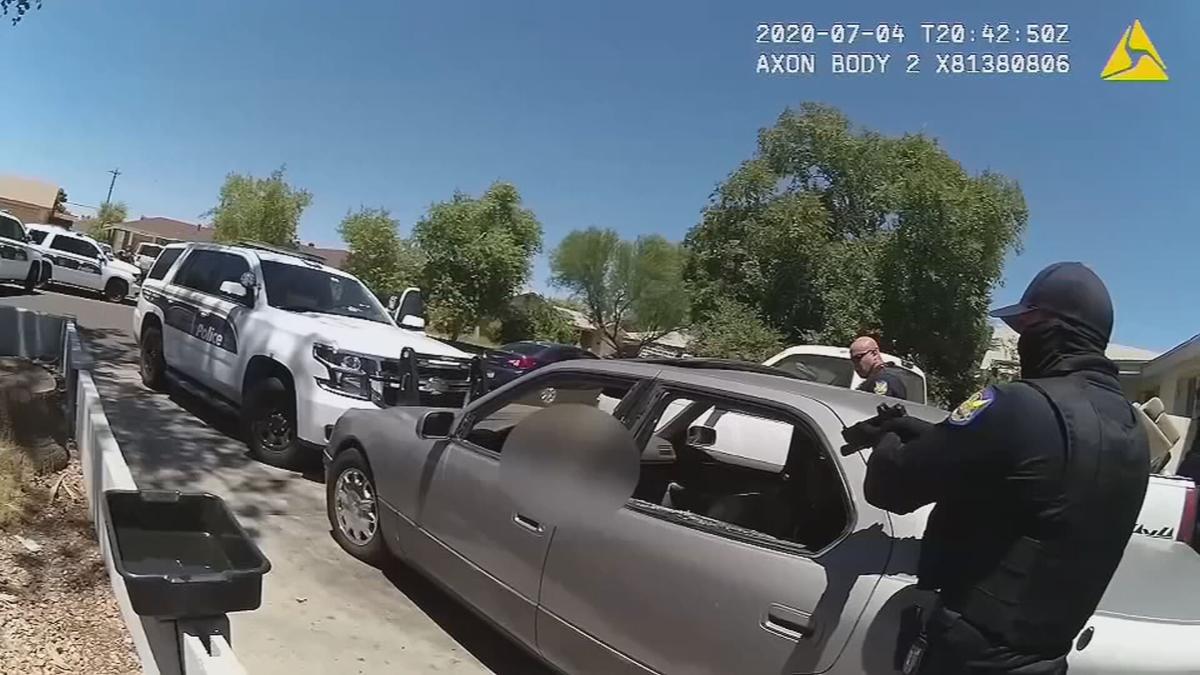
At around 8 p.m. on a recent Saturday evening, Phoenix police arrived at a west Phoenix apartment complex located at the intersection of 83rd Avenue and Indian School Road in response to reports of a violent confrontation. Witnesses and preliminary reports describe a scene in which a male suspect, reportedly armed with a knife, was engaged in a violent struggle with a woman. The witness accounts indicate that the man was holding the knife near the woman’s throat as he continued to fight, creating a scenario that demanded immediate intervention from law enforcement officers.
The police, upon arriving at the scene, issued commands for the suspect to halt his actions. Based on the available information, it appears that the suspect refused to comply, prompting the officers to use their firearms. The suspect ultimately died at the scene as a result of injuries sustained during the officer-involved shooting. While no officers were injured, and the woman was taken to safety, the incident itself has raised pivotal legal and ethical debates about the nature of police intervention in violent crises.
Understanding the Legal Frameworks Governing Use of Deadly Force
One of the central aspects discussed in legal circles following this incident is the framework that governs when police are permitted to use deadly force. Legal experts point out that officers are given considerable leeway, provided they can establish that their actions were necessary to protect lives. However, this authorization comes with a complicated list of requirements and conditions. Some of these conditions include:
- Demonstrable threat to the lives of officers or innocent bystanders
- Immediate need to neutralize a danger
- Inability to safely retreat or de-escalate the situation
In the incident in west Phoenix, police officers reportedly observed a situation where a logical alternative to deadly force was not available. The suspect's continued and unyielding threatening posture, indicated by the defiant display of a knife, compelled the responding officers to make a quick decision—a decision that, under legal scrutiny, is weighed against the standards of necessity and proportionality.
Legal Precedents and the Tenuous Balance Between Self-Defense and Excessive Force
Legal precedents provide guidance on the use of deadly force as a facet of a comprehensive self-defense policy. The right to self-defense extends to law enforcement officers as well, provided that their actions are aligned with established protocols and that the force used is considered necessary given the immediate threat. Court cases and internal reviews of past incidents contribute to our understanding of the boundaries of acceptable actions. Often, the analysis involves:
- Weighing the immediate danger against potential outcomes
- Examining available options at the time of the incident
- Determining if any alternative approach, which would not have endangered other lives, was realistically feasible
The event in west Phoenix underlines the nerve-racking decisions that officers sometimes need to make under pressure. When the situation intensifies and leaves little time to fully digest all the confusing bits and tangled issues, the decision to use deadly force often rests on the assumption that it is the only means to prevent further harm. Critics assert that these decisions require a thorough post-incident review to ensure that the officer’s judgment was both legally justified and proportionate to the threat presented.
Community Impact and the Repercussions on Public Trust
Beyond the courtroom, incidents like these have far-reaching effects on public confidence in law enforcement. The use of deadly force by police is a subject that remains loaded with issues, as each event not only reshapes public opinion but also challenges communities to cope with the psychological and social aftermath. The following points help illustrate this impact:
- Communities may feel increasingly wary about the presence of armed officers in their neighborhoods.
- Cynicism may grow if there is a perception that deadly force is used too readily.
- Trust between police and minority communities might diminish following high-profile confrontations.
- Opportunities for reform become both a focal point and a flashpoint for political debates.
These reactions underscore a significant theme: the police are expected to protect, not to intimidate. The intricate relationship between law enforcement and community members is based on a shared understanding of safety and justice. When officers are forced to engage in confrontations that appear to have few alternatives, even if legally justified, it can set a precedent that influences both policy and perception in ways that are hard to reverse.
Delving into the Officer-Involved Decision-Making Process
The decision-making process behind an officer’s choice to use deadly force requires a thorough look. Officers are often required to make split-second decisions amid a barrage of sensory, verbal, and environmental clues. Some of the challenging parts of these decisions include:
- Interpreting the suspect’s behavior amidst high-stress conditions
- Assessing grossly limited information and making predictions about immediate actions
- Confronting the overwhelming responsibility of choosing life over death in a matter of moments
In this context, it is essential that law enforcement agencies provide robust training that allows officers to work through these tricky parts with the confidence and skill needed to protect both the public and themselves. Such training often focuses on:
| Aspect | Purpose | Expected Outcome |
|---|---|---|
| De-escalation Techniques | To reduce the intensity of confrontations before they escalate to violence | Minimize the need for immediate, drastic action |
| Use-of-Force Continuum | To provide officers with clear guidelines on how to respond at each level of threat | Ensure proportionality and measured responses |
| Stress Management | To help officers maintain clarity when faced with nerve-racking and intimidating situations | Reduce errors in judgment during high-adrenaline responses |
This table illustrates some of the super important training elements designed to prepare officers for the hidden complexities of real-life encounters. Legal reviews and departmental investigations often scrutinize whether the training was adequate for the situations encountered and if protocols were followed properly.
Understanding the Legal Accountability Measures in Officer-Involved Shootings
In cases such as the one in west Phoenix, legal accountability is a critical point of discussion. Public pressure and media scrutiny frequently prompt internal investigations, and sometimes even external reviews by independent bodies. Such investigations aim to verify that the use of deadly force was in strict accordance with both statutory law and departmental guidelines. Key considerations in this process include:
- The accuracy and completeness of the evidence collected from the scene
- Testimonies from responding officers and witnesses
- Forensic analyses of the physical evidence and ballistics reports
- A review of the suspect’s actions to confirm if life truly was at risk
This sequence of reviews ensures that the data gathered from a scene characterized by a blend of tense moments and unexpected twists is carefully examined for any signs of misconduct or oversight. Transparency within this process is essential to restore community trust and to confirm that officers are held responsible when necessary.
Questioning the Role of Media in Shaping Public Perception
The current incident also underscores the influential role that media plays after a police shooting. Detailed news coverage can highlight both the heroic and tragic dimensions of these events. However, media reports also sometimes simplify the complicated pieces of the legal narrative, influencing public opinion based on incomplete information or sensational headlines. Certain media practices that are under discussion include:
- Focusing disproportionately on the sensational aspects rather than facts
- Using language that may inadvertently bias public opinion
- Delaying or omitting critical details that might alter the understanding of the event
For instance, headlines that stress an “armed man shot by police” without context about the potential danger posed may evoke fear and anger among community members. It is therefore crucial for media organizations, especially those with a legal focus, to provide balanced coverage that acknowledges both the need for officer self-protection and the consequences on community relations. Reliable legal commentary must address the fine points of police protocol and the reasonable limits of lethal force while remaining sensitive to the broader social impacts.
Examining Tactical Alternatives and Procedural Best Practices
In an ideal scenario, officers might have multiple options to resolve a confrontation without resorting to lethal force. While the legal justification for using deadly force may be intact, law enforcement agencies continually explore alternatives. Some tactical alternatives despite their nerve-racking conditions, include:
- Employing non-lethal methods such as tasers, bean bag rounds, or pepper spray
- Using strategic positioning and cover to delay the suspect’s actions until additional backup arrives
- Reliance on negotiation teams specially trained in crisis intervention
Each of these alternatives, however, comes with its own set of challenges. Officers might face complicated pieces when trying to figure a path to safely implement these methods in the midst of a violent encounter. The unpredictable nature of human behavior, especially when confronted by an armed individual, often constrains the practical application of non-lethal options—resulting in officers choosing the fastest method to neutralize the threat.
Still, law enforcement agencies nationwide continue to invest in training and equipment geared toward diversifying their tactical repertoire. By sorting out these alternatives and reviewing the successes and failures of various incidents, police departments are better equipped to make split-second decisions that are as cautious and measured as possible.
Community Reactions and the PR Challenge for Law Enforcement
The repercussions of a high-profile shooting are not confined to the boundaries of the incident site. They resonate powerfully within the community, stirring debates about public safety, accountability, and the overall approach to law enforcement in densely populated areas. Community reactions vary but tend to include several recurring themes:
- Calls for increased transparency in police operations
- Demands for higher standards of accountability and independent reviews
- The feeling that police actions might be overzealous in certain circumstances
- An urgent need for dialogue between law enforcement and community representatives
For community leaders and policy makers, balancing these concerns is a nerve-racking task. They must consider both the super important need to protect law enforcement officers and the equally critical necessity to uphold civilian rights and trust. One approach to achieving this balance involves establishing community oversight committees which work on petting around the details of high-stakes incidents and supporting the integration of comprehensive mental health services in police training protocols.
Evaluating the Broader Societal Implications and the Pursuit of Reforms
This recent event in west Phoenix is not an isolated case; rather, it is one example among several similar incidents that have cast a long shadow over law enforcement practices in Arizona and across the nation. When examining the broader societal implications, several key questions emerge:
- Are current training methods sufficient in preparing officers to handle high-tension scenarios?
- How can the legal system ensure that every use of deadly force is judiciously reviewed?
- What measures can be taken to restore or bolster community trust following such tragedies?
- What can be learned from this incident to prevent future occurrences?
Answering these questions requires not just legislative action, but also an honest look at the underlying challenges that police departments face on a daily basis. While policy reforms are essential, they must be accompanied by efforts to address the rough-and-tumble realities on the ground. Initiatives could include:
- Enhanced crisis intervention training focused on managing nerve-racking confrontations
- Implementing body camera policies that ensure an accurate record of events
- Ongoing community education campaigns which explain the fine shades of police work and legal procedures
- Greater oversight mechanisms that involve civilian review boards with real authority over departmental misconduct
These measures, while not a cure-all, represent a step toward mending the fractures in the relationship between the community and law enforcement. They also underscore the importance of marrying legal accountability with proactive reforms designed to bring transparency and clarity to every use of force incident.
Reassessing the Evidence Collection and Investigation Process
Once such an incident occurs, the process of gathering and analyzing evidence becomes one of the most intense and detailed tasks. Investigators must piece together a narrative from a scene that is often filled with tricky parts and confusing bits arising from the chaos. Issues related to the collection and handling of evidence typically include:
- Preserving the integrity of the physical scene despite surrounding traffic disruptions and multiple first responders
- Interviewing witnesses and officers who experienced the event firsthand
- Reevaluating forensic data such as ballistics reports and residue analysis
- Assessing whether the chain of command was followed from the very initial call to the final decision to engage
The importance of this thorough investigation is paramount. Not only does it have legal consequences for those involved, but it also helps to shape future training and policies. A well-organized investigation will typically involve:
| Investigation Stage | Focus Area | Challenges Encountered |
|---|---|---|
| Initial Response | Securing the scene and protecting human lives | High-pressure environment with limited evidence collection time |
| Evidence Collection | Gathering forensics, eyewitness accounts, and officer testimonies | Confusing bits from conflicting witness statements and environmental hazards |
| Data Analysis | Reviewing video footage, ballistic analyses, and department protocols | Nitty-gritty details that must be pieced together accurately |
| Final Review | Ensuring all procedures were adhered to and establishing any deviations | Sorting through potential oversight or systematic issues |
This table captures the structured approach required in examining every twist and turn of the investigation. It underscores that even in scenes marked by rapid-fire decisions, there exists a critical need to get into the hidden complexities and subtle details that might ultimately reveal whether protocols were indeed followed.
Implementing Policy Reforms: A Way Forward
Reflecting on what occurred in west Phoenix, legal scholars and law enforcement professionals are calling for reforms that seek to prevent similar events in the future. Although reform is often seen as an intimidating process, there is consensus on several key areas where improvements can be made. Some of these are:
- Revising use-of-force guidelines to ensure that officers have clear, concise instructions during tense and off-putting encounters
- Enhancing public transparency about the training methods and decision-making processes of the police
- Establishing robust civilian oversight bodies that are empowered to conduct independent reviews of critical incidents
- Investing in advanced, non-lethal tools and technologies that can reduce the frequency of fatal outcomes
It is important to remember that any policy reform must balance the rights and responsibilities of both law enforcement officers and the communities they serve. Reforms should not compromise the safety of officers or bystanders, but rather provide a framework that reduces the likelihood of tragic outcomes while ensuring that every forceful encounter is followed by a transparent investigation.
In practice, revised training protocols might include more scenario-based simulations that require officers to work through the little twists of a rapidly evolving situation. Legal updates might offer further clarification on what constitutes a justified use of force, especially in circumstances where seconds and small distinctions play a decisive role. Importantly, the conversation about reform must be dialogic, ensuring that community voices are heard along with those of law enforcement experts.
Challenges Facing Reform Implementation in an Already Tense Environment
While suggestions for reform are widely discussed, implementing them within an environment already loaded with issues can be a nerve-racking undertaking. Several obstacles are commonly encountered when attempting to change established practices, such as:
- Institutional resistance to change due to traditional practices and entrenched beliefs
- The need for substantial funding to train officers and procure new technologies
- Political pressures that sometimes discourage radical shifts in policy
- Community skepticism fueled by past experiences with police operations
Addressing these obstacles requires working closely with all stakeholders. Lawmakers, police leadership, community representatives, and advocacy groups must get into a meaningful dialogue that focuses on small distinctions between various proposed solutions. The aim should be to craft reforms that are not only practical but also sensitive to the real-world conditions in which officers operate. Success depends on acknowledging that reform is as much about changing attitudes as it is about revising protocols.
Reflecting on Officer Training and the Importance of Continued Education
Central to any discussion on police reform is the recognition that the training officers receive forms the foundation of every operational decision. Current training programs emphasize not only tactical proficiency but also crisis negotiation, cultural sensitivity, and legal boundaries in the use of force. However, the ever-evolving societal landscape demands that these training programs continually adapt to incorporate feedback from previous incidents. Key elements for continuous education include:
- Regular updates on legal standards and departmental policies
- Enhanced simulation exercises that feature real-life scenarios and unexpected twists
- Mentorship programs that connect seasoned officers with newer recruits to impart the little details of effective decision-making
- Workshops on handling the psychological stresses that come with violent encounters
While such training modules are designed to prepare officers for even the nerve-wracking moments they might face, long-term professional development ensures that law enforcement practices remain as current and effective as possible. Through ongoing assessments and feedback loops, departments can encourage a culture that prizes accountability, transparency, and measurable improvements in community relations.
Conclusion: Balancing Law Enforcement in a Complex Legal Landscape
The tragic incident in west Phoenix serves as a stark reminder of the challenging pieces, twists and turns, and nerve-racking decisions that characterize high-stakes law enforcement encounters. Each such event raises important questions: When is the use of deadly force legally warranted? How do officers weigh the immediate threats against longer-term consequences for community trust? And what steps are necessary to ensure that policies remain clear, adaptive, and just?
An honest examination of the evidence, the decisions made during the critical moments, and the subsequent handling of the case can offer valuable insights for everyone involved—law enforcement, policy makers, and community members. By diving in to explore each subtle detail and every small distinction in how these incidents are managed, society can begin to forge a safer, more transparent system that respects both the authority of the police and the rights of citizens.
The incident has also sparked an essential dialogue about the possible reforms needed to better support officers when they are forced to make split-second decisions while simultaneously protecting the communities they serve. In reviewing this event and its consequences, legal experts and community leaders alike have a daunting task: to reconcile the personal safety of the public with the rapidly evolving challenges faced by law enforcement in our modern society.
As we move forward, it remains super important that all these conversations are grounded in both factual clarity and compassionate understanding. The goals should be straightforward: reduce the likelihood of future tragedies, improve the operational readiness of our officers through better training, and bolster the transparency and impartiality of investigative processes. Only by acknowledging the complicated pieces of each incident can we truly work through the problematic issues and foster trust between law enforcement and the communities they vow to protect.
In conclusion, while the shooting in west Phoenix was an event with immediate legal ramifications, its broader significance lies in the ongoing need to refine our understanding of police conduct in high-pressure situations. It calls for a legal environment in which each officer can steer through tricky situations without adding to the strain of an already tense relationship with the public. Consequently, it is our collective duty to ensure that policy reforms, law enforcement training, judicial reviews, and community dialogues converge in a direction that promotes both justice and safety for all.
In a society where every decision can have life-changing consequences, it is vital to get into the nitty-gritty of each policy, each training practice, and each community expectation. Through detailed investigations, constructive reforms, and open channels of communication, there is hope that we can chart a clear path forward—one that respects the rights and safety of every individual while upholding the responsibilities of those sworn to protect and serve.
This incident, like many that have come before, should serve not as a final indictment of law enforcement efforts but rather as a call to continually reexamine and refine the methods, tactics, and legal frameworks that guide the use of force. By moving beyond reactive measures and working proactively to find solutions to the tangled issues at hand, we can pave the way for more balanced and equitable law enforcement strategies that address both the immediate threats and the broader legal and social challenges of our time.
Only by combining rigorous legal analysis with genuine community engagement can the multifaceted problems inherent in cases like these be fully understood and resolved. In the wake of a tragic shooting, the responsibility falls on all of us—lawyers, lawmakers, community members, and police personnel alike—to work together in order to create a safer and more just society that honors both the rule of law and the rights of its citizens.
Ultimately, our journey forward depends on our ability to appreciate the valid concerns raised by such incidents, to learn from them, and to continuously strive for improvements that benefit everyone. Legal accountability, enhanced training, and an unyielding commitment to transparency are the cornerstone pieces that will help us navigate the delicate balance required in managing public safety and ensuring justice in an ever-complex legal landscape.
Originally Post From https://www.azfamily.com/2025/10/12/armed-man-shot-killed-by-police-after-fight-west-phoenix-apartment/
Read more about this topic at
knife defense technique designed to disarm and ...
Knife Threat Neutralized: The Power of Distraction! #selfdefense ...




Social Plugin